Dollification: What Doll Play Is and Why It Appeals
Also called doll play, living doll.
Dollification is a kink in which one person is styled, posed and treated as a doll, usually with a distinct look built from latex, makeup or a mask. The appeal joins being made into something to look at with the stillness and silence the role asks for.
Dolls are made to be looked at, arranged and kept still. Dollification applies that treatment to a person who has asked for it: one partner is styled into a doll, posed and displayed, and treated as something rather than someone for as long as the scene lasts. This entry covers what doll play is, how it differs from the broader kink it sits inside, why the look and the stillness appeal, and the care the gear requires.
What it is
In dollification, one person becomes the doll. The transformation is usually visual first: makeup that smooths the face into something uniform, a costume, sometimes a wig, sometimes a mask. Then the treatment follows the look. The doll is posed rather than asked to move, admired rather than addressed, and expected to hold still and stay quiet. The other partner takes the role of owner, maker or collector, and much of their pleasure is in the arranging.
Our entry on objectification covers the wider category, being treated as a thing of any sort, and dollification is one narrow slice of it with an aesthetic attached. The distinction matters because the two feel quite different in practice. Objectification often runs functional, where you are the footstool or the ashtray and your purpose is to be used. Dollification runs decorative. You are made beautiful, positioned and looked at, and what matters is how you appear rather than what you are for.
That decorative emphasis draws in the neighbouring interests. Latex turns up constantly because it turns a body glossy and synthetic in one step. Transformation themes are close by, since becoming the doll is the story being told. Feminisation overlaps for many people, though plenty of dolls are not feminised at all.
Is it normal, and how common
It is niche, and more visible than its numbers would suggest. Doll masks, mannequin poses and latex doll imagery photograph beautifully, so the aesthetic circulates widely in kink art even among people who never do it. Anyone who finds the look striking has plenty of company, and the smaller group who want to be inside it is real and findable.
No count exists, and the interest blends into transformation play, latex fetish and objectification in ways that would defeat anyone trying to make one.
The cautions here are more substantial than in most role kinks, because the equipment is doing real things to a real body. A mask limits breathing, hearing and sight. Latex holds in heat and pushes fluid loss faster than people anticipate. Enforced stillness is harder on joints and circulation than it looks in a photograph. None of that makes the kink dangerous, but it does mean the gear deserves the attention rather than the concept.
Why people have it
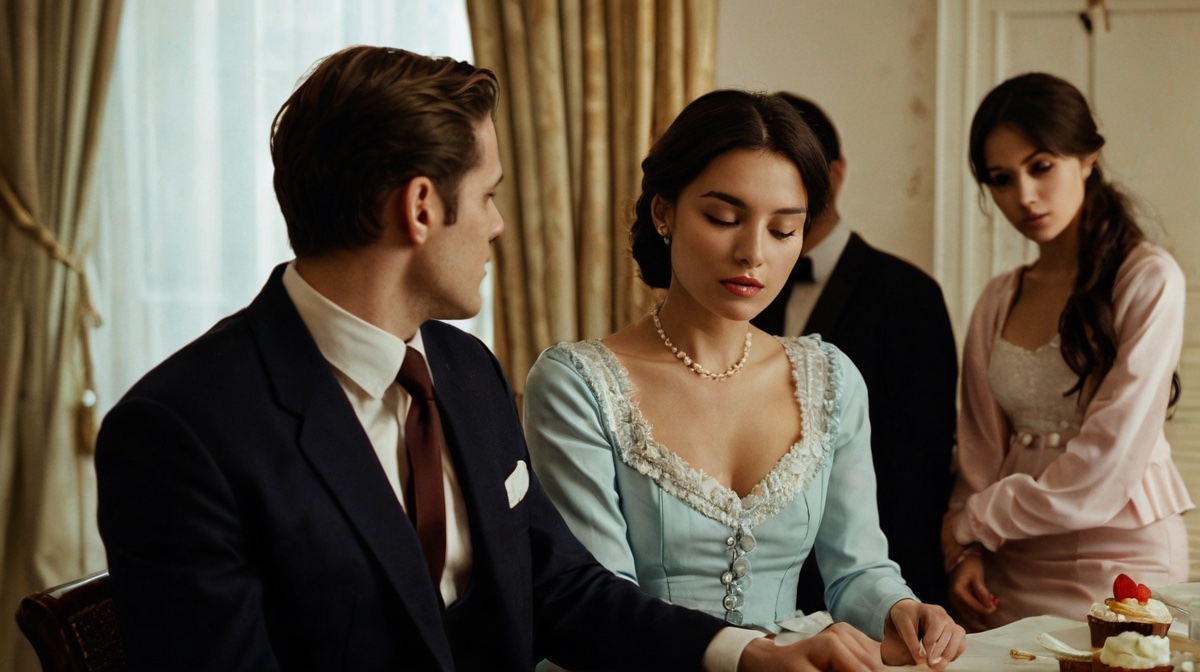
For the doll, the central pleasure is a very complete kind of surrender. Being posed removes the need to decide anything, and the stillness and silence tend to produce a quiet, floaty headspace that people compare to what happens under sensory restriction. There is also the pleasure of being made flawless. A doll is perfect without having to try, and setting down the effort of being a person while someone finds you beautiful is a potent combination.
For the partner doing the making, the appeal is partly craft. Applying the makeup, choosing the pose and adjusting a hand until it sits right is absorbing work with a living result, and possession runs through it too, the sense of owning something you assembled. Both sides tend to describe these scenes as unusually calm compared with other power play, which surprises people who expect intensity.
How to explore it
Start with the look and nothing else. Makeup, costume, being posed and admired, photographs if you both want them. That alone tells you whether the headspace arrives, and it carries no equipment risk. Add stillness in small increments, a few minutes at a time, because holding a pose is far more tiring than it appears.
Bring in a mask only once you know you want one, and treat it as gear rather than costume. Check the fit, keep airways clear, make sure the doll can hear you, and keep water nearby. Agree a non-verbal signal first, since a doll may be under instruction not to speak, and make it obvious, like dropping a held object. Never leave anyone alone in restrictive gear, and stop at numbness, tingling, dizziness or overheating.
Then come out of it properly. Take the gear off together, use each other’s names, and talk for a while. Being un-personed by agreement is lovely in the moment and can leave a strange residue, which a bit of ordinary warmth clears quickly.
Finding others who share it
Doll play has a home in the latex and fetish photography scenes, where the aesthetic is well known and admired, and there are groups devoted to it specifically. Finding people is mostly a matter of following the look, since makers, photographers and enthusiasts cluster in the same places. As with most niche interests, learning that the thing has a name is what turns a private preference into something you can go looking for.
Questions people ask
What is the difference between dollification and objectification?
Objectification is the broad idea of being treated as a thing, which includes being used as a tool or held in place as furniture. Dollification is one specific object with a specific look. The furniture version is functional, since you are being used for something. The doll version is decorative, since you are being made, arranged and admired. That is why the gear here is cosmetic and why appearance matters in a way it does not for a footstool.
Do you need latex or a mask for dollification?
No. A great deal of doll play runs on makeup, a costume and posing, with nothing restrictive involved at all. Latex and masks are popular because they flatten a person into a smooth, uniform surface very quickly, which is the look people are chasing. They also carry the real risks in this kink, so they belong later rather than at the start.
Is dollification safe?
The role itself is harmless and the equipment is where the care goes. Masks and hoods restrict breathing, hearing and vision, latex traps heat and causes dehydration faster than people expect, and holding a pose restricts circulation. Keep sessions short, agree a hand signal since a doll may not be speaking, never leave someone alone in restrictive gear, and stop at any numbness, tingling or overheating.