Pregnancy Fetish: What Maiesiophilia Is and Why It Happens
Also called maiesiophilia.
A pregnancy fetish, or maiesiophilia, is a sexual or sensual attraction to pregnancy and the pregnant body. It can focus on the look of a pregnant belly, the associations of fertility and fullness, or the pregnant partner themselves.
The pregnant body has been sculpted, painted and revered for as long as art has existed, so an erotic charge attached to it is hardly a modern oddity. A pregnancy fetish is an attraction to pregnancy itself, the shape of it, the symbolism of it, or the pregnant person. This entry covers what a pregnancy fetish and maiesiophilia are, how normal the interest is, the theories behind it, and how people explore it, including the particular care it needs when a real pregnant body is involved.
What it is
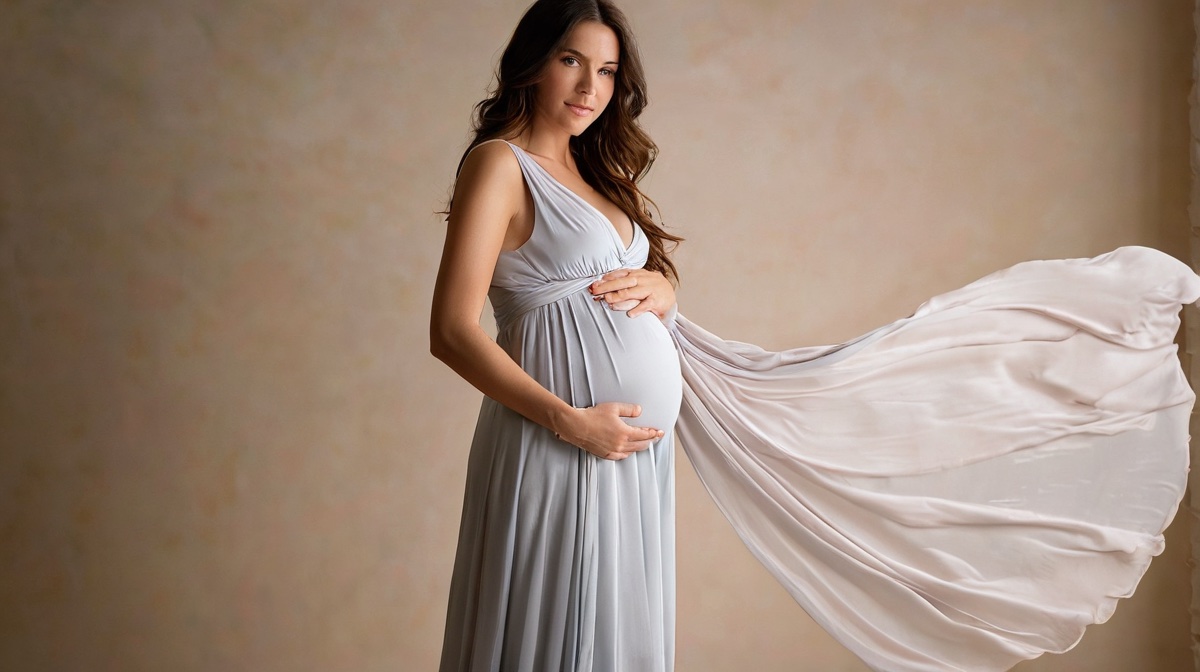
A pregnancy fetish is a sexual or sensual attraction to pregnancy and the pregnant form. The focus differs from person to person. Some are drawn to the visible curve of a pregnant belly and the fullness of the body. Others respond to what pregnancy represents, such as fertility, ripeness, and a body doing something powerful. For a good number it is specifically about a partner becoming pregnant and the tenderness and desire that stirs up.
The clinical name is maiesiophilia. The interest does not have to involve an actual pregnant person at all, and for some it lives entirely in imagery, art and imagination. For others it is very much about a real partner during a real pregnancy. Both count. This attraction can also overlap with related interests around bellies, fertility and body change, though it stands perfectly well on its own.
Is it normal, and how common
It is a normal thing to feel, and common enough that most people who carry it are quietly unremarkable about it. Hard numbers are scarce, since researchers have not measured this interest with any precision, and much of it hides inside ordinary relationships where a partner simply finds pregnancy beautiful. The reverence for the pregnant form across centuries of art suggests the appeal is old and widely shared.
Normal carries its two usual meanings. The attraction is a recognised variation, and on its own it harms nobody. The limits are specific here, and they matter. Any real pregnant person involved must be a consenting adult who welcomes the attention, and pregnancy is a medically sensitive time, so a partner’s comfort, energy and physical safety come first, always. Kept inside those bounds, a pregnancy fetish is a gentle and unproblematic thing to feel.
Why people have it
There is no single confirmed reason, but several plausible ideas circulate.
The evolutionary story points to fertility, since signs of it carry obvious pull and a pregnant body is fertility made unmistakable. A softer explanation centres on the body itself, the fuller curves and the glow that many find beautiful regardless of any deeper meaning. For people drawn to their own pregnant partner, the cause is often emotional as much as physical, a surge of closeness, protectiveness and awe at what is happening. Some accounts also point to nurturing and the warmth wrapped up in the idea of new life.
Culture and personal history shape the details, as they do with everything here. Which thread dominates varies from person to person, and a pregnancy fetish does not require a tidy origin story to be okay.
How to explore it

How you explore a pregnancy fetish depends a lot on whether a real pregnant person is part of it, and the care scales up accordingly.
If it is an appreciation of imagery, it lives comfortably in art, photography and imagination, with the only real duty being to keep any material legal and adult. If it involves a partner who is actually pregnant, everything reorders around them. Pregnancy changes energy, comfort and what feels good week to week, sometimes day to day, so the whole thing runs on checking in and following their lead. Guidance from their own care provider outranks anything else, and there are ordinary precautions during pregnancy that a couple should simply respect.
The tone that works is admiring and gentle rather than demanding. A pregnant partner is often adjusting to a body that feels unfamiliar, so attention that makes them feel beautiful and safe lands well, while pressure does not. Slow down, ask, and let their comfort set the pace.
Finding others who share it
If a pregnancy fetish has felt like a secret, it helps to know how many others share it and how ordinary they mostly are. Some are expectant parents discovering a new dimension of attraction to each other. Others are admirers of the pregnant form who connect over art and images. There are communities and forums where the interest is discussed openly and without embarrassment, and the tone in the healthier ones is respectful and matter-of-fact. You are far from the only person who feels this, and the people who share it are not hard to locate once you go looking.
Questions people ask
Is a pregnancy fetish normal?
Yes. Finding the pregnant body attractive is a recognised and common variation, and it shows up in art across many cultures. A pregnancy fetish is harmless as long as any real pregnant person involved is a consenting adult who welcomes the attention.
What is maiesiophilia?
Maiesiophilia is the formal term for sexual attraction to pregnancy or pregnant people. It ranges from finding a pregnant partner especially beautiful to a specific focus on the pregnant belly and everything it signals. In everyday language people just call it a pregnancy fetish.
Is it okay to find my pregnant partner more attractive?
Completely. Many people feel a stronger pull toward a partner during pregnancy, drawn by the changing body, the fullness, or the emotional weight of it. As long as your partner feels good about the attention and you stay tuned to their comfort, it's a warm and ordinary thing.