Temperature Play: What It Is and How Hot and Cold Feel in Kink
Temperature play is sensation play that uses hot and cold, such as ice, warmed oil or chilled metal, to surprise the skin and heighten arousal. It is one of the most accessible and low-risk ways into kink.
Press a cold spoon to warm skin and the body reacts before the mind catches up, with a small involuntary flinch and a rush of attention. Temperature play is built on exactly that reflex. It is one of the oldest and most approachable corners of sensation play, using nothing more exotic than heat and cold. This entry explains what temperature play is, whether it is normal, why the contrast is so compelling, and how to try it without hurting anyone.
What it is
Temperature play means deliberately using hot and cold on the body to create sensation. That can be an ice cube traced along the skin, a chilled glass toy, warm massage oil poured over the back, a metal object left in warm water, or the deliberate switch between cold and warm that keeps the body guessing. Wax play, where warm candle wax is dripped for heat, is one well-known branch of it.
The appeal turns on the fact that skin is very good at noticing change and quick to react to it. A steady touch fades into the background. A sudden cold or warm one does not. Because the toys can be as simple as an ice cube, temperature play is often where curious people take their first step into sensation-led kink. Very little of it is explicit; a lot is slow, attentive and almost meditative.
Is it normal, and how common
Temperature play is thoroughly normal and about as mild as kink gets. It appears in nearly every beginner guide to sensation play, partly because it needs no special gear and carries little risk when done with a bit of sense. Precise figures do not exist, since it rarely gets studied on its own and usually hides inside the general category of BDSM or simply adventurous sex.
Still, it is fair to call it widespread. The ice-cube trick is common enough to be a cliche, which tells you how many people have at least brushed against this. As always, the interest is healthy as long as everyone involved has agreed and nobody is being harmed.
Why people have it
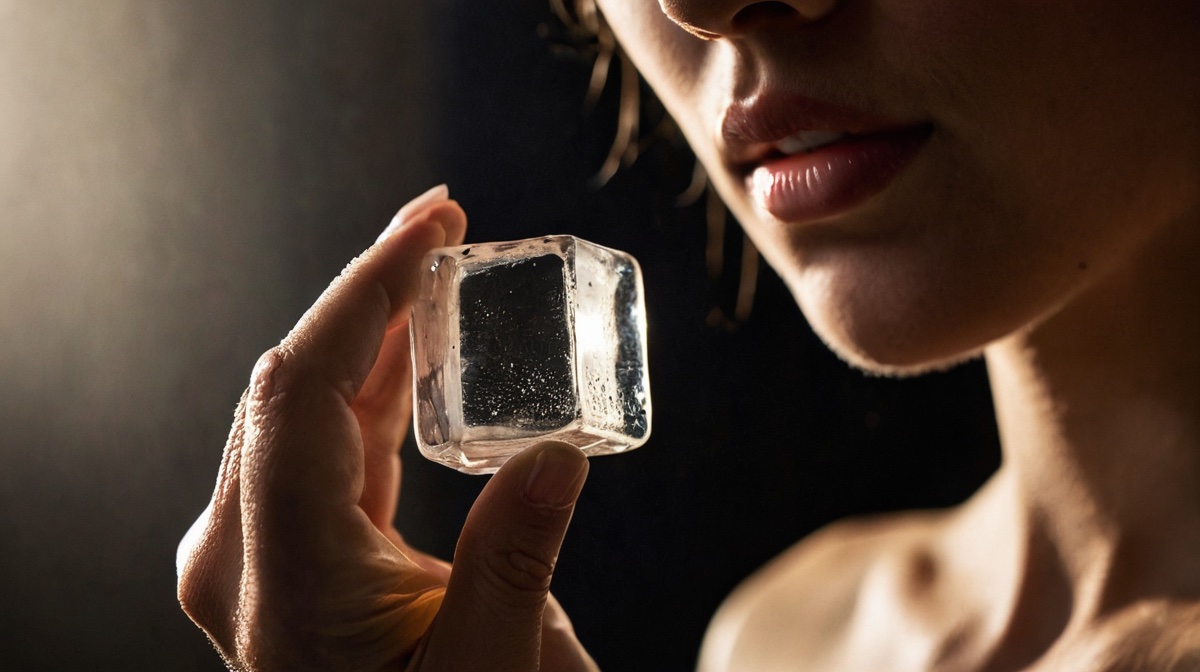
A big part of why temperature play works is contrast. The nervous system is tuned to notice difference, so alternating warm and cold, or following one with the other, lights up the skin far more than either would alone. Cold tends to sharpen and wake you up. Warmth tends to soften and relax. Playing them against each other keeps you fully in your body and slightly off balance, in a good way.
There is a trust element too, especially when a blindfold is added and you cannot see what is coming. Handing someone the power to surprise your skin, and trusting them to keep it pleasurable rather than painful, is part of the draw for many. For the person leading, there is the pleasure of orchestrating all that and watching it land.
How to explore it

Temperature play is forgiving, but two simple habits keep it safe. Test everything on yourself first, and keep the temperatures moderate.
For cold, ice cubes, chilled metal or glass, and cool water all work well. The one caution is not to hold ice on a single spot for a long time, because prolonged contact can actually damage skin, so keep it moving or lift it off regularly. For heat, warmed massage oil, a metal object rested in warm water, or a warm cloth are all pleasant. Anything you warm needs the on-your-own-wrist test first, aiming for cosy rather than hot, since it is genuinely easy to underestimate heat on someone else’s skin.
Add contrast once each side feels comfortable, alternating warm and cold to play with the difference. A blindfold heightens all of it by removing the visual warning. Skip anything electrical or open flame near the body unless you have specifically learned how, keep water away from anything that should not get wet, and check in often, since cold and heat both creep up gradually.
Finding others who share it
Because temperature play is such common ground, you will find it discussed openly in kink spaces, beginner guides and workshops rather than tucked away in some hidden corner. It rarely needs defending, since most people intuitively get the appeal of an ice cube or warm oil. That makes it one of the friendliest interests to explore with a partner or to ask questions about in a community. Whatever draws you to hot and cold, there are a great many people who feel the same and are happy to compare notes.
Questions people ask
Is temperature play safe for beginners?
Yes, it is one of the gentlest kinks to start with. The main rule is to keep temperatures moderate: warm rather than scalding, cold rather than freezing. Test everything on yourself first, keep ice moving instead of parked in one spot, and temperature play stays very low-risk.
What can you use for temperature play at home?
Ice cubes, a chilled spoon or glass toy, warm massage oil, a warmed metal object, or even cool and warm water are all common. Many people simply use what is in the kitchen. The trick is testing the temperature on your own skin before it touches your partner.
What is the difference between temperature play and wax play?
Wax play is one specific branch of temperature play that uses dripping candle wax for heat. Temperature play is the wider category, covering cold as well as hot and using ice, warmed items and the contrast between the two. Wax carries its own burn rules that plain temperature play does not.