Wax Play: What It Is and How to Do It Without Getting Burned
Also called ceroplasty.
Wax play is a form of sensation play where warm, melted candle wax is dripped onto the skin for the heat and the anticipation. Done with the right candles and a little care, it is a common, low-risk part of many people's kink.
Watching a candle tip and a bead of warm wax fall toward bare skin is a small drama of anticipation, and that anticipation is a big part of why wax play exists. It sits in the family of sensation play, alongside things like temperature and impact. This entry covers what wax play is, whether it is a normal thing to enjoy, where the appeal comes from, and, most importantly, how to do it without leaving a burn.
What it is
Wax play means dripping melted candle wax onto someone’s body for the sensation and the spectacle of it. The warmth lands, spikes, then cools and sets on the skin within a second or two. Peeling it off afterwards is part of the ritual for a lot of people. The older, fancier name is ceroplasty, though almost nobody says that out loud.
It usually shows up as one element in a wider scene rather than the whole event. The heat pairs naturally with a blindfold, since not knowing where the next drop will land sharpens everything. Colours and patterns left on the skin give it a visual side too. None of it has to be explicit; a good deal of wax play is closer to slow, theatrical sensation than to anything else.
Is it normal, and how common
Enjoying wax play is a normal, recognised part of kink. It comes up constantly in beginner sensation-play guides, gets taught at workshops, and forms part of many couples’ repertoire without ever being the headline act. Hard numbers are not really available, because it tends to be logged, if at all, under the broad heading of BDSM rather than counted on its own.
What is safe to say is that it is a widely enjoyed entry point into sensation play, precisely because it delivers a strong feeling with fairly modest equipment. Like any kink, it only stops being healthy if it involves someone who has not consented, or if the safety side gets ignored and someone gets hurt.
Why people have it
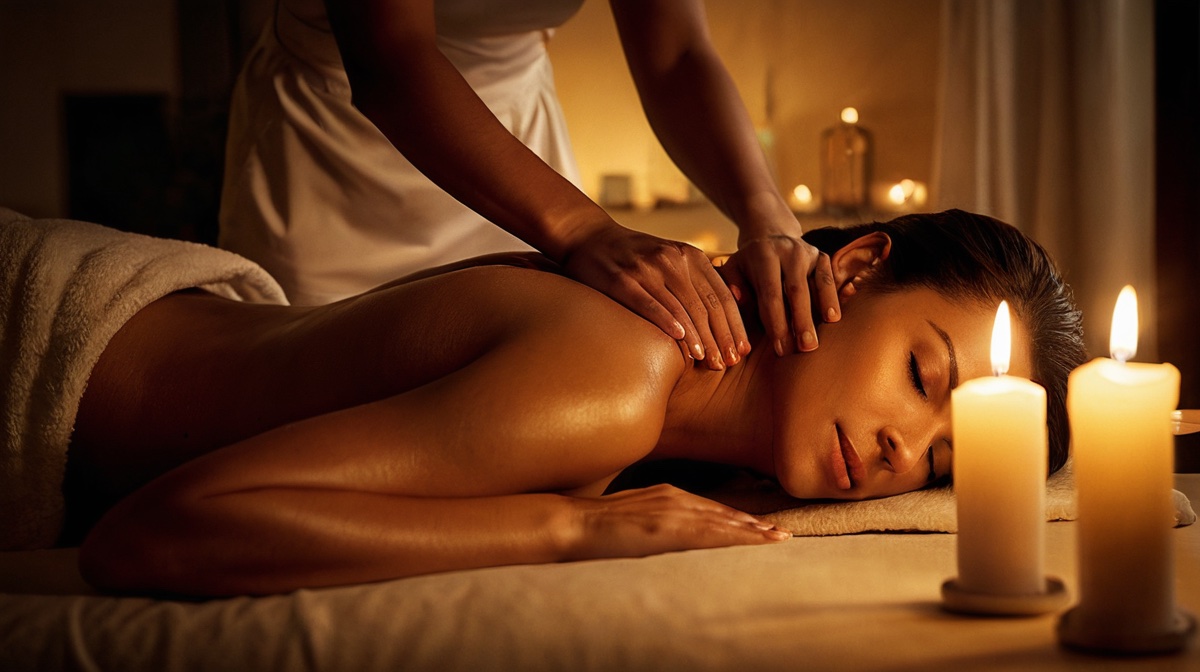
The pull of wax play is mostly about the specific quality of the sensation. Heat that arrives suddenly, peaks and vanishes is unlike a touch you can predict, and the nervous system pays sharp attention to it. For the person receiving, there is also a thread of trust and surrender, because you are letting someone bring literal flame near your skin and trusting them to have set it up safely.
For the person pouring, the appeal is control and craft. Reading heat, height and pacing well is a real skill, and the anticipation often does as much work as the actual wax. Painting sensation across someone who cannot see it coming, and leaving trails of colour behind, can be its own quiet reward.
How to explore it

This is the section that matters most, because wax play is one of the kinks where getting the details wrong causes actual injury. The whole game is temperature control.
Candle choice comes first. Use soy candles or paraffin massage candles that are made for the body and melt at a low temperature. Steer clear of beeswax, which runs hot, and of heavily dyed or scented candles, whose additives raise the melting point and can burn. When you are unsure, buy something sold specifically for wax play rather than guessing with a dinner candle.
Then test and aim. Drip a little on your own inner forearm to feel the real temperature before it touches anyone else. The higher you hold the candle, the more the wax cools on the way down, so height is your dial for intensity. Start on fleshy areas like the back or thighs, keep away from the face, genitals, and anywhere with broken skin, and mind hair, which wax will cling to. Keep cool water and a way to soothe skin within reach in case something lands hotter than planned, and stop at once if it does. Do this only while both of you are sober, alert and talking to each other.
Finding others who share it
Because wax play is such a standard part of the kink toolkit, you are in broad company and the knowledge is easy to find. Sensation-play workshops, both in person and online, often cover it directly, and they are a low-pressure way to learn technique from people who do it well. Kink communities treat it as familiar ground rather than anything exotic. If you want to bring it to a partner, its reputation as a classic, teachable activity makes it one of the easier things to suggest and learn together.
Questions people ask
Is wax play safe?
It can be, with the right candle and a little care. The main risk is burns, so wax play is safe when you use a low-temperature candle made for skin, test it on yourself first, and drip from a sensible height. Ordinary decorative candles are the ones that cause injuries.
What kind of candles are safe for wax play?
Soy candles and paraffin massage candles made for the body melt at a low, skin-friendly temperature. Avoid beeswax, and avoid candles with lots of dye, scent or hardening additives, because these burn hotter. If in doubt, buy a candle sold specifically for wax play.
Does wax play hurt?
It is meant to feel warm and sharp rather than painful. The heat fades within seconds as the wax cools on the skin. How intense it feels depends on the candle, the drip height and where it lands, which is why testing on your own arm first tells you a lot.