Food Play and Feederism: What Each Is and How They Differ
Also called feederism, sitophilia.
Food play is the use of food in a sensual or erotic way, from feeding each other to messier fun. Feederism is a specific, more involved version built around an ongoing dynamic of feeding and, often, gaining weight.
Feeding someone you are close to is one of the oldest gestures of care and seduction, so it is no surprise that food finds its way into desire. Food play covers the gentle end of that, using food in a sensual or playful way, while feederism sits at the more involved end, built around an ongoing feeding dynamic. This entry pulls the two apart, explains what food play and feederism actually are, whether they are normal, why people enjoy them, and how to explore them with a clear head about health.
What it is
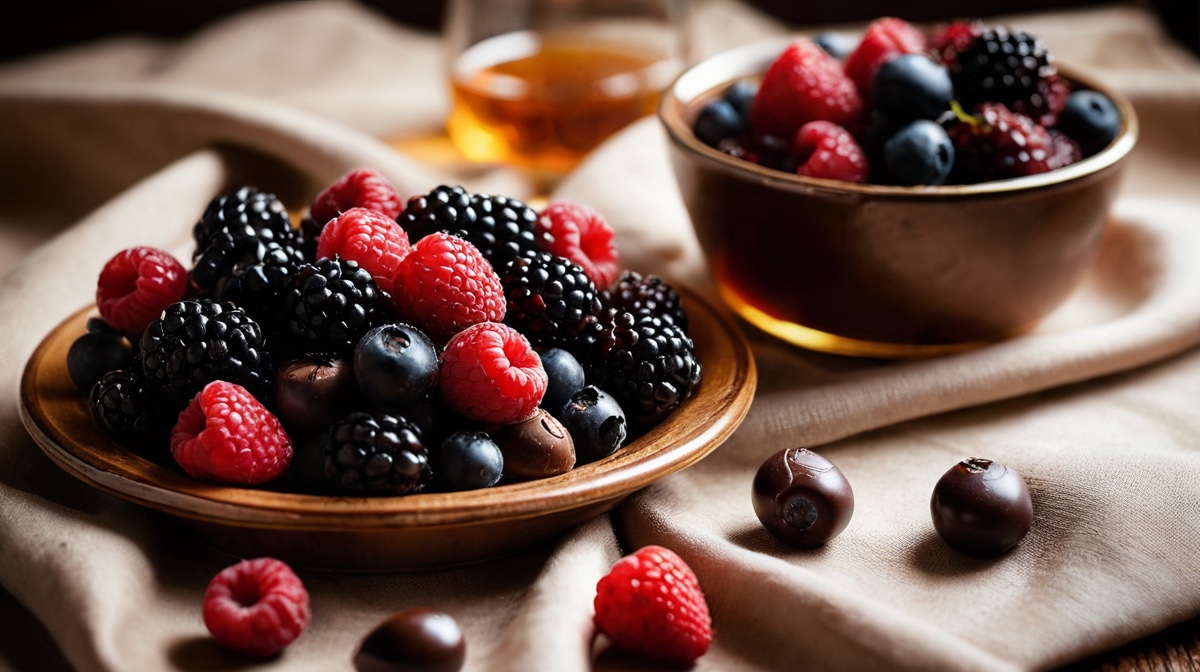
Food play is the broad, mostly light category: bringing food into intimacy as something to taste, share, feed or make a mess with. Feeding each other fruit, a little chocolate or honey, the sensuality of taste and texture, this is where most people meet the idea, often without ever reaching for a term. The academic word sitophilia gets used for the erotic use of food in general.
Feederism is a specific dynamic within that world, and it helps to separate it out. It centres on feeding as the erotic act, usually with two roles: a feeder, who finds giving food and encouraging eating arousing, and a feedee, who enjoys receiving, the fullness, and sometimes the idea or reality of gaining weight. For many, feederism stays in fantasy, story and roleplay. For others it is a lived arrangement. Both the light play and the deeper dynamic can be entirely non-explicit, and both are really about attention, indulgence and a certain kind of care.
Is it normal, and how common
Light food play is very normal and very common, and a large share of couples have done some version of it without thinking twice. Feederism is rarer and more defined, with a smaller but established community, and like most specific kinks it is hard to count accurately, so honest sources hedge rather than quote figures.
Normal, as ever, means recognised and harmless when consensual, and here the harmless part needs a bit more attention than usual. Casual play stays low-stakes as long as you handle it sensibly. Feederism deserves an honest note rather than a moral one: when it revolves around serious weight gain, it carries the genuine health consequences that significant weight gain always does, and pretending otherwise helps no one. Many people who enjoy it keep things in fantasy or modest, mindful play for exactly that reason. As a preference it is valid, and the care simply scales with how far the gaining side is taken.
Why people have it

The appeal runs along a few clear lines, and it differs between the light and the deeper versions.
For food play in general, much of it is sensory, since taste, texture, temperature and mess are pleasurable in a direct, playful way, and feeding someone is a tender act that lowers everyone’s guard. There is a childlike permission in making a delicious mess that people find freeing.
Feederism adds dimensions of its own. For the feeder, providing for and indulging a partner can be a form of nurturing or of gentle control. For the feedee, being fed and encouraged can feel like acceptance, indulgence and a release from everyday restraint around food and body. Comfort, care and power all thread through it, in a mix personal to each couple.
How to explore it
How you explore this depends entirely on which end you are on, and the safety scales with it.
For light food play, the pleasures are easy and the cautions are practical: mind allergies, keep sugary or acidic foods away from delicate body areas where they can cause irritation or infection, watch temperature, and put a towel down. Choose foods you both actually like. That is genuinely most of it.
Feederism asks for more thought, and the thinking is best done up front. Kept to fantasy, roleplay and modest indulgence, the risks stay low. If a couple is drawn to real, ongoing weight gain, honesty about health becomes the responsible form of consent: talk openly, keep an eye on wellbeing, and treat medical reality as a shared concern rather than a mood-killer. Enthusiasm that leaves both people healthy and willing is the sign it is working, while anything that quietly damages someone’s health has tipped out of play.
Finding others who share it
If any of this resonated, both the casual and the committed versions have company. Light food play barely needs a scene, since so many people enjoy it that a willing partner is usually close to hand. Feederism has its own long-standing online communities, where feeders and feedees find each other, swap fantasy and roleplay, and talk frankly about doing it thoughtfully. The healthier corners are open about the health side rather than pretending it away, which is exactly the sort of company to keep. Whichever end draws you, you are not the only one, and the people are findable.
Questions people ask
Is food play normal?
Yes. Using food sensually, feeding a partner, tasting, a bit of mess, is a common and light form of play that many couples try without ever labelling it. Food play is harmless as long as you mind hygiene and allergies and keep anything risky away from delicate areas.
What's the difference between food play and feederism?
Food play is broad and usually casual: food as a sensual prop in the moment. Feederism is a defined dynamic where one partner (the feeder) enjoys feeding the other (the feedee), often tied to the eroticism of eating, fullness or gradual weight gain. All feederism is food play; most food play isn't feederism.
Is feederism dangerous?
It can carry real health risks when it centres on significant weight gain, since that affects the body like any weight gain does. Many people keep feederism to fantasy, roleplay or modest, mindful play. Done with honesty about health and full consent, it's a personal choice; the risk rises with the extremes.