High Heel Fetish: What It Is and Why Shoes and Heels Captivate
Also called retifism.
A high heel fetish, also called a shoe and heel fetish, is a strong attraction to shoes and heels, whether the object itself, the arched foot inside it, or the posture and walk that heels create. It's closely related to foot fetishism but centres on the footwear.
The click of a heel on a hard floor reaches some people before they’ve even turned to look. A high heel fetish tends to work like that, keyed to the shoe and everything it does to the body wearing it: the arch it forces, the longer line of the leg, the altered walk. This entry explains what a high heel fetish is, whether it’s normal, why heels and shoes hold the pull they do, and how to explore the interest sensibly, feet included.
What it is
A high heel fetish is a dependable erotic focus on shoes, and on heels above all. For some people the shoe is close to an object of beauty in its own right: the stiletto’s line, the arch of the sole, the vamp cut low across the foot. For others the shoe matters because of what it does, tipping the foot into a steep arch and changing how the whole body stands and moves. The old clinical word for a shoe fetish specifically is retifism.
The interest spreads across a lot of ground. Particular styles, heel heights, materials or colours. The sound heels make. Shoeplay, meaning dangling a shoe off the toes or slipping in and out of it. Because feet and footwear sit so close together, a high heel fetish often shades into a foot fetish and back again, though many people are clearly more drawn to one than the other. A good deal of this stays admiring and non-explicit.
Is it normal, and how common
It’s normal, and among fetishes that fix on objects, footwear is one of the most common there is. The broader family of foot and shoe attraction is the most frequently reported focus outside the genitals, and shoes in particular top the list whenever people catalogue fetish objects. So a high heel fetish is common by any reasonable measure.
Normal covers the usual two points. It’s statistically ordinary, and on its own it harms nobody. Admiring heels is a preference with no cost to anyone. The limits are the standard ones: consent, not turning it into the single thing that makes intimacy possible in a way that distresses a partner, and keeping it from taking over. There’s a small physical footnote as well, since heels themselves aren’t the most comfortable things to wear, which the exploring section gets to.
Why people have it
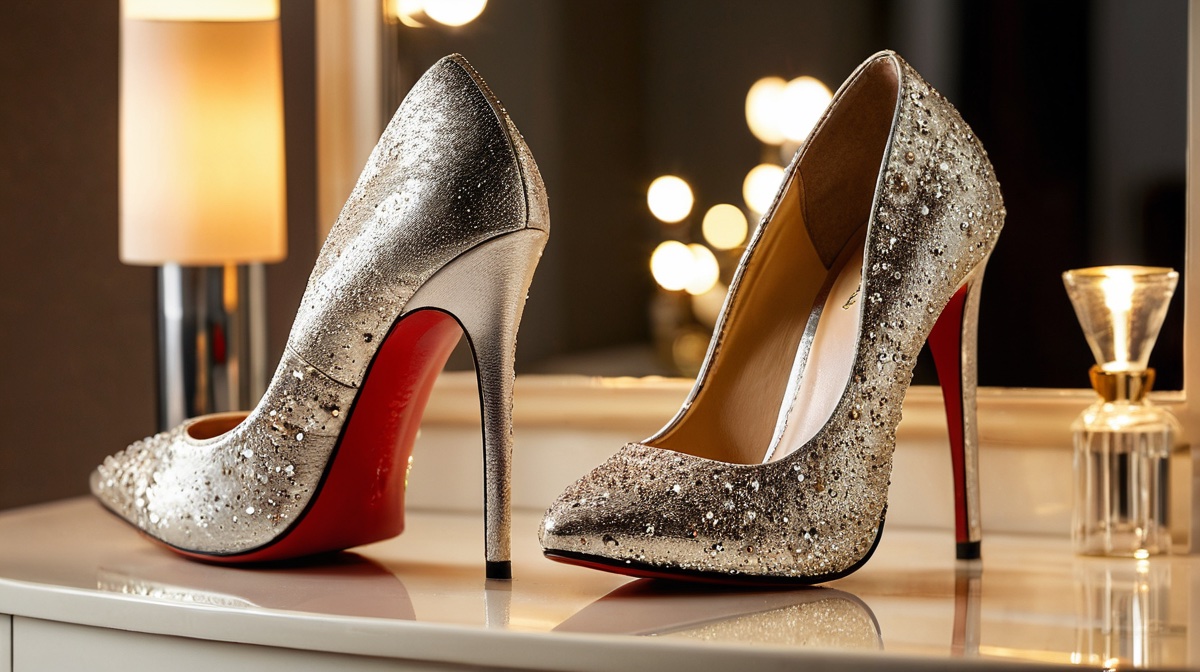
A few explanations get offered for a high heel fetish, and they overlap.
There’s a well-known neurological idea about feet in general: the brain’s sensory map places the feet right next to the genitals, and some crosstalk between those neighbours may help explain why feet, and by extension footwear, carry an erotic pull for so many. It’s a hypothesis rather than settled fact, but it comes up a lot.
Beyond that, heels do specific things that read as attractive. They change posture and gait, arching the foot and lengthening the leg in a way many find striking. Culturally, heels are drenched in signals of glamour, femininity and power, which layers meaning onto the shape. And ordinary learned association plays its part, wiring shoes to arousal early for some people. The realistic answer is a combination, weighted differently in each person.
How to explore it

A high heel fetish is low-risk and easy to explore. Solo, it can be as straightforward as appreciating shoes as objects, collecting styles you love, or paying attention to what exactly draws you in a particular heel. With a partner, a gentle opening is admiring a pair they already own, or offering to buy shoes you find beautiful, framed as a treat rather than a demand.
The one honest caveat is comfort, and it’s about the person in the shoes. High heels can be genuinely hard on the feet, ankles and back, and nobody should be expected to totter around in punishing stilettos for hours to satisfy someone else. Keep sessions kind, let a partner swap into something comfortable when they’ve had enough, and treat sore feet as a real limit. Shoeplay and admiration ask very little of the wearer; long enforced wear is a different and unfair thing to request.
Beyond that, the usual applies. Talk about what appeals, check that a partner is genuinely into it, and keep it to consenting adults.
Finding others who share it
Because footwear is such a common focus, you’re nowhere near alone with a high heel fetish, however private it’s felt. There are people who share the exact taste down to the style of heel, partners glad to wear shoes for someone who clearly delights in them, and large online spaces devoted to nothing but shoes and the appreciation of them. Once you know the interest has a name and a crowd, it tends to feel a great deal less like a secret.
Questions people ask
Is a high heel fetish normal?
Yes. Footwear is one of the most common objects for a fetish, and heels are a frequent focus within that. Enjoying shoes and heels is a harmless preference as long as everyone involved is a consenting adult and it stays in proportion in your life.
Is a shoe fetish the same as a foot fetish?
They're related but not identical. A shoe or high heel fetish centres on the footwear itself, its shape, style and what it does to posture. A foot fetish focuses on the foot. Because they sit so close together, many people feel both, though usually one leads.
Why do high heels turn some people on?
Heels change the body, arching the foot and lengthening the leg into a striking line, and they carry strong cultural signals of glamour and power. There's also a neurological theory that the brain maps feet next to the genitals. Most likely several of these combine.