Uniform Fetish: What It Is and Why Uniforms Are So Charged
Also called uniform roleplay.
A uniform fetish is an attraction to uniforms and the roles they represent, from nurses and officers to service and school styles. Most of the charge comes from what the uniform signals, such as authority, competence or care, rather than the cloth itself.
A uniform does a strange thing to a person. It stamps them, at a glance, with a whole role: in charge, or here to help, or bound by the same rules as everyone else who wears it. A uniform fetish feeds on that instant shorthand more than on the fabric. This entry covers what a uniform fetish is, whether it’s a normal thing to find hot, why uniforms carry such a charge, and how people explore it, including the one line you shouldn’t cross in public.
What it is
A uniform fetish is a reliable attraction to uniforms and, usually, to the roles and power dynamics they stand for. The classic examples cluster around clear social roles: medical staff like nurses and doctors, military and police, service and hospitality, school and academic styles. What the wearer represents tends to matter more than the exact garment, which is why a uniform can feel so loaded even when it isn’t especially revealing.
That role is the heart of it. A uniform announces authority, discipline, competence, care or service before a single word is spoken, and it partly erases the individual underneath in favour of the type. Most uniform play runs through roleplay, one person putting on the outfit and, with it, the character, while both people enjoy the story it sets up. A lot of it stays light and theatrical.
Is it normal, and how common
It’s normal, and uniforms are one of the most widely shared turn-ons there is, common enough that they’re a staple of ordinary fantasy rather than a niche taste. You’ll find the nurse or officer costume in the most mainstream corners of dress-up, which tells you how broadly the appeal reaches.
Normal, again, means two things: ordinary in how often it shows up, and harmless in itself. Fancying a uniform is a victimless preference. The usual limits hold, consent from any partner, not making the fantasy the one route to closeness in a way that hurts someone, keeping it in proportion. There’s a specific real-world caveat with this one, covered below: enjoying a uniform in private roleplay is fine, while actually passing yourself off as a real police officer, medic or soldier in public is a different matter and, in many places, illegal.
Why people have it

The appeal of uniforms is unusually easy to explain, because it’s baked into how uniforms work.
Uniforms are designed to communicate power and role at a glance, and we’re conditioned from childhood to respond to them, to trust the nurse, obey the officer, defer to the teacher. A fetish takes that trained response and gives it an erotic twist. The authority becomes something to submit to or wield; the competence becomes attractive in itself.
There’s an anonymity in it too. A uniform turns a specific person into a role, and a role is easy to project a fantasy onto. Add the taboo around certain uniforms, and the mix gets stronger. For many people it’s also plain aesthetics: sharp tailoring, insignia and polish look good, and looking good in something that also signals status is a potent combination.
How to explore it
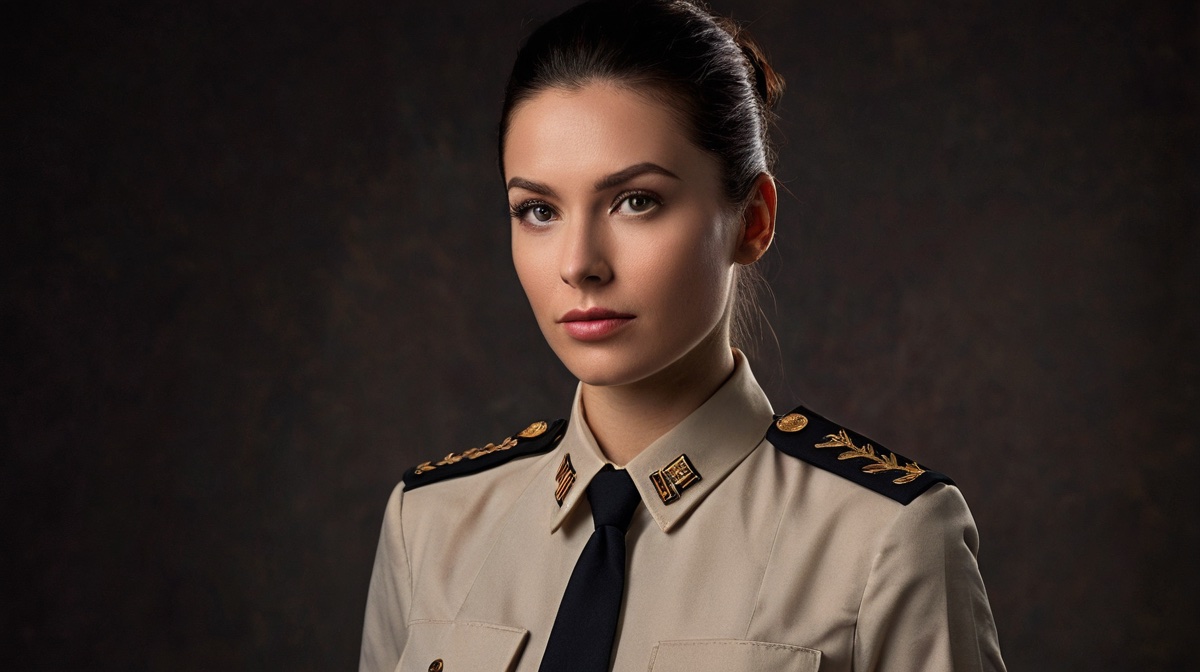
Uniform play is easy and cheap to explore, since it lives mostly in costume and roleplay. The obvious starting point is buying a uniform-style outfit made for exactly this, then agreeing a simple scene with a partner: who’s who, roughly what happens, and what’s off-limits. Half the pleasure is in the setup and the characters, so it rewards a bit of playfulness rather than solemnity.
Talk the scene through beforehand and pick a way to pause or stop that steps you both out of character cleanly. Roleplay involving authority figures can bring up real feelings for some people, so check in afterwards as well.
One firm boundary sits over all of it. Costume uniforms bought for play are one thing. Wearing a genuine police, military or medical uniform to impersonate the real role in public is illegal in a lot of places and can cause real harm, so keep the officer and the nurse strictly inside your own private, consenting scenes.
Finding others who share it
If you’ve got a uniform fetish, you’re surrounded by fellow travellers even if nobody says so aloud, because this is one of the least unusual kinks around. It surfaces in mainstream fantasy, in costume shops, in the reliable popularity of the nurse or officer look every single year. Partners who share it or happily play along are easy to find, and there’s a whole vocabulary of ready-made scenes to borrow and adapt.
Questions people ask
Is a uniform fetish normal?
Very. Uniforms are among the most widely shared turn-ons, common enough to be a staple of mainstream fantasy and dress-up. Finding them arousing is harmless as long as any roleplay stays consensual and, crucially, you don't impersonate real officials in public.
Why are uniforms such a common turn-on?
Uniforms are built to broadcast authority, competence or care at a glance, and we're conditioned from childhood to respond to them. A fetish gives that trained response an erotic edge. Sharp tailoring, a sense of role, and a hint of taboo add to the pull.
Is it legal to wear a uniform for roleplay?
Wearing a costume uniform in private, consenting roleplay is fine. The problem is passing yourself off as a real police officer, soldier or medic in public, which is illegal in many places. Keep genuine-service uniforms and impersonation out of it and stick to costumes.