How to Explore a Fetish With Your Partner, Step by Step
To explore a fetish with your partner, talk it through first with a yes/no/maybe conversation, agree on consent and a safeword, then start small and low-stakes. Check in while you go, build in aftercare, and move at the more hesitant partner's pace.
There’s a gap between a partner knowing about your fetish and the two of you actually trying it, and that gap is where a lot of couples quietly stall. Learning how to explore a fetish with your partner is less about technique and more about a handful of agreements you make before anything starts. What you’re both up for, how you’ll stop, and how slowly you’ll move. Get those settled and the rest tends to unfold on its own, with far less anxiety than the buildup led you to expect. If you haven’t had the first conversation yet, how to tell your partner about a fetish comes before this one.
Talk it through before you touch
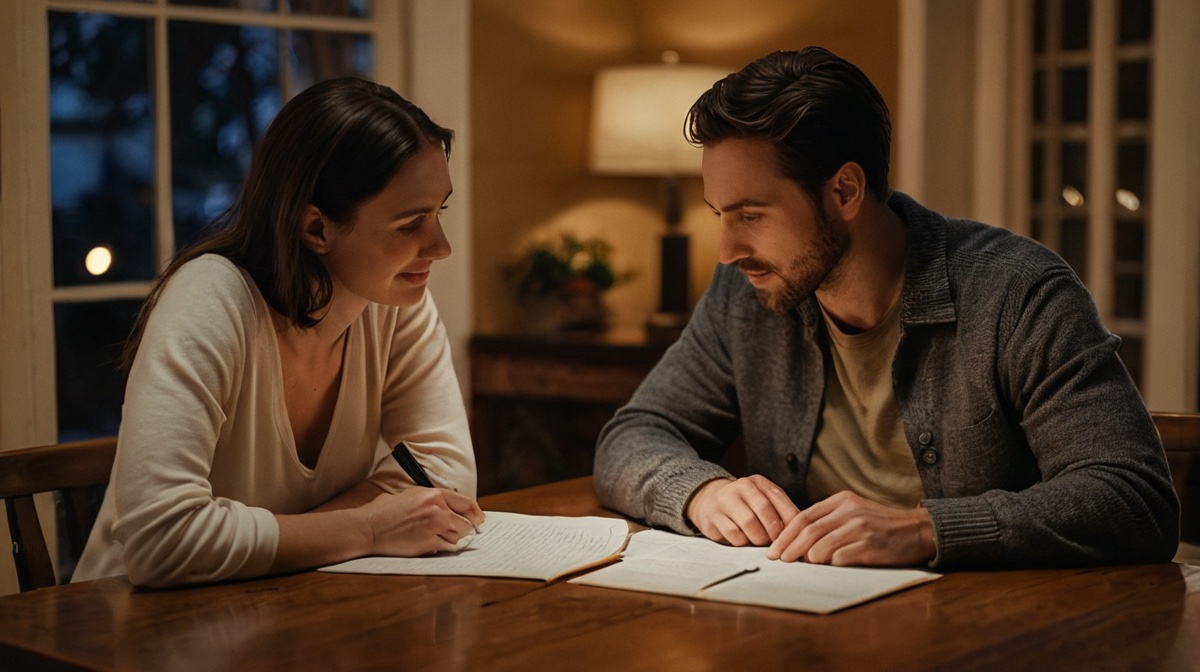
The most useful tool here is a plain conversation about what appeals and what doesn’t. Some couples like the yes/no/maybe format. You each go through a list of things you might try and mark them yes for keen, no for a hard limit, or maybe for curious under the right conditions. The maybes are usually where the interesting, low-pressure exploring happens.
Do this with your clothes on and nothing on the line. It’s easier to be honest about a limit over a cup of tea than in the heat of a moment. If you’re short on ideas or the right words, browsing the encyclopedia or the types of fetishes overview together can turn an awkward silence into an actual conversation, and it quietly takes the pressure off either of you to be the expert in the room.
Agree on consent and a safeword
Consent here means an ongoing yes, freely given, that either of you can take back at any point without owing a reason. That’s the whole foundation. Far from dampening things, knowing you can stop is exactly what makes it safe to start.
A safeword is a simple way to call a pause when your normal words might be part of the play or get lost in it. Many couples use the traffic-light system: green for good, yellow for ease off or check in, red for a full stop. Agree on it out loud beforehand, and treat a red as sacred. Honoring a safeword instantly, every single time, is what earns the trust that lets both of you actually relax into it.
Start small and low-stakes

Nobody has to begin at the deep end. Pick the mildest version of the thing and try that first, briefly, with an easy way out. A gentle taste of a power dynamic might be one small instruction over five minutes, not a whole evening built around it. Something like chastity or pet play can begin as a short, playful experiment before it becomes anything bigger.
Keeping the stakes low does two useful things at once. It lets the more nervous partner discover that nothing frightening happens, and it hands you both real information for next time without much cost if it turns out the thing doesn’t click.
Check in while it’s happening
Exploring isn’t set-and-forget. A quick “you good?” partway through costs nothing and catches a problem early, before it hardens into a reason to avoid the subject next week. You’re reading body language as much as words, easing off at the first sign of a genuine flinch rather than pushing to finish what you planned.
Not everything will land, and that’s ordinary. Some things sound hotter in your head than they feel in the room, for both of you. Naming that lightly afterward, with nobody taking it as a rejection, keeps the door open for another try another day.
Aftercare, whatever you tried
After more intense play, people can feel wobbly, tender, or unexpectedly emotional, and aftercare is how you both land softly. It’s low-key stuff. Water, a blanket, holding each other, a quiet chat about what you liked. It matters just as much for the partner who was more in charge as for the one who wasn’t.
Aftercare is also where the useful notes get gathered. What felt good, what you’d skip, what you’re curious to try next time. Those small debriefs are how a couple’s exploring gets steadier and more trusting as the months go on.
Move at the slower person’s pace
When two people want different amounts of something, the pace belongs to the more hesitant one. That can chafe if you’re the eager partner, but pushing is the surest way to make the whole thing shut down for good. A partner who never feels rushed is far likelier to say yes to the next small step, and the one after that.
If old embarrassment is dragging on either of you while you try, making peace with fetish shame is a gentle read alongside all this. And when you want to see how it plays out over a real relationship, the first-person stories in our journal are an honest, unpolished window into it.
Questions people ask
How do you introduce a kink into a relationship?
Start with a clothes-on conversation about what appeals to you both, agree on consent and a way to stop, then try the mildest version first in a short, low-pressure way. Check in as you go, and talk afterward about what you liked. Small, unhurried steps build the trust that bigger ones need.
What is a yes/no/maybe list?
It's a simple tool where each partner marks possible activities as yes (keen to try), no (a hard limit), or maybe (open under the right conditions). Comparing your lists shows where your interests overlap and where the firm limits are, so you can start with the shared yeses and explore the maybes gently.
Do you need a safeword for mild kinks?
It's a good habit even for gentle play. A safeword, or the green/yellow/red traffic-light system, gives either of you a clear way to pause or stop when ordinary words might be confusing or part of the moment. Agreeing one costs nothing and makes it easier to relax.